Bodily Symptoms Manifestation of Stress
Understanding How Stress Physically Affects Your Body
Stress is not just a mental or emotional experience - it manifests physically throughout your body. When you're under stress, your body activates the "fight-or-flight" response, releasing hormones like cortisol and adrenaline. While this is helpful in short bursts, chronic stress can lead to a variety of physical symptoms and health issues.
Recognizing these physical signs is the first step toward managing stress effectively. Below are common bodily symptoms of stress and how they manifest.
1. Muscle Tension & Pain
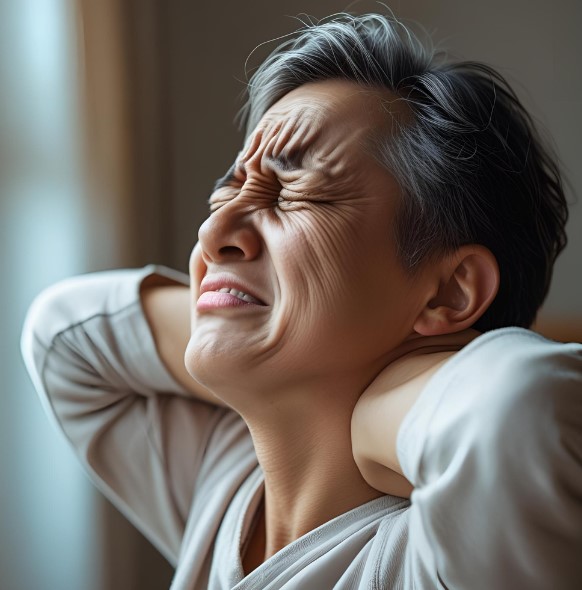
Symptom:
Tight shoulders, neck/back pain, jaw clenching, or headaches.
2. Headaches or Migraines

Symptom:
Dull tension headaches or throbbing migraines triggered by stress.
3. Fatigue & Low Energy
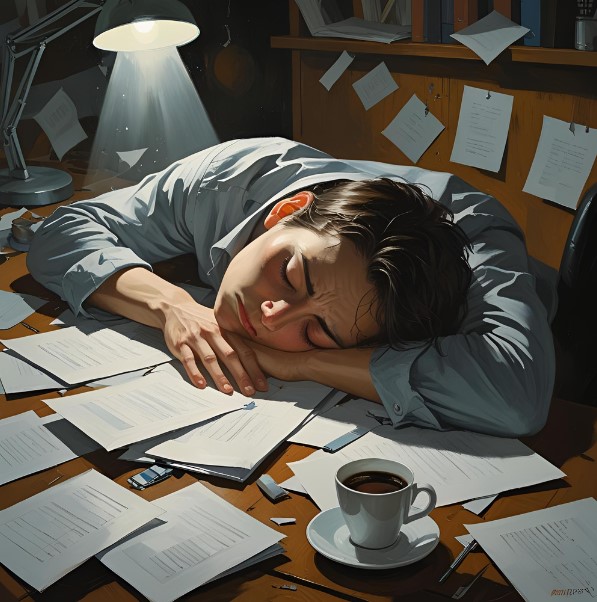
Symptom:
Exhaustion despite adequate sleep; heavy limbs.
4. Digestive Issues
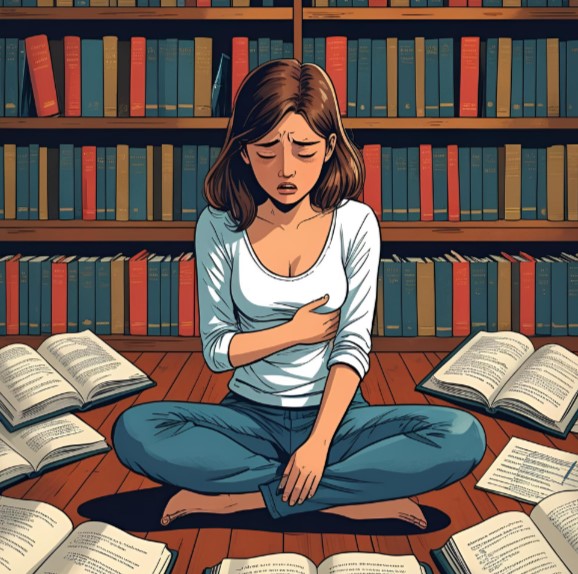
Symptom:
Stomachaches, nausea, bloating, diarrhea, or IBS flare-ups.
5. Rapid Heartbeat & Chest Tightness

Symptom:
Heart palpitations, pounding pulse, or shallow breathing.
6. Skin Reactions

Symptom:
Stress rashes (hives), acne, eczema flare-ups, or excessive sweating.
Why This Happens
Stress triggers your "fight-or-flight" response, flooding your body with cortisol and adrenaline. This physiological reaction prepares your body to either confront or flee from perceived threats.
While this response is helpful for short-term danger, chronic stress keeps your body in a constant state of high alert. This leads to physical wear and tear as your body never gets the signal to return to a normal state of relaxation.
Over time, this constant state of tension can contribute to serious health problems including cardiovascular disease, digestive disorders, weakened immune function, and mental health issues.
Important: Persistent symptoms? Consult a doctor to rule out underlying conditions. Stress exacerbates many health issues.
The Fight-or-Flight Response

When stressed, your body releases hormones that:
- Increase heart rate and blood pressure
- Boost energy supplies
- Sharpen senses
- Tense muscles
- Slow non-essential functions like digestion